



Embarking on a winter camping adventure offers an unparalleled experience: the serene silence of snow-laden landscapes, crisp air, and the absence of summer crowds. Yet, for many, the allure is often tempered by a fundamental concern: “Will I freeze?” This guide seeks to dispel such fears by introducing you to the world of professional winter camping tent solutions and the revolutionary “Hot Tent” concept for 2025 and 2026. Whether you are a solo traveler, a student explorer, or a parent taking a kid on their first snowy trip to Colorado, Ontario, or Canada, having the best winter tent is the one gear choice that determines your success. Discover how the right tent transforms a potentially harsh environment into a warm, inviting sanctuary.
What Makes a Tent Truly “Winter-Ready”?
Distinguishing a truly winter-ready tent begins with a thorough understanding of its material composition and structural design, a critical factor often overlooked by those new to cold weather excursions. While a standard cheap backpacking tent or a summer hammock might offer basic weather protection, they pale in comparison to an expedition tent designed for extreme winter conditions. A high-quality four-season tent is essential to keep the heat inside and the cold weather out.
Understanding Materials: Nylon vs. Terylene Cotton
Standard tents often rely on thin nylon, which is lightweight but prone to heavy condensation and poor thermal retention. The best winter tent designs today, such as those from the Coody and Panda Air series, utilize Terylene Cotton. This high-performance breathable canvas (a blend of polyester and cotton) maintains a comfortable interior climate by allowing moisture to escape while trapping warm air. For those facing the most brutal weather in the North, an outdoor dome tent made from Oxford 300D PU 4000mm provides superior weather protection. This heavy-duty fabric is waterproof and robust enough to handle the average snow load that would collapse a single-layer camping tent.
|
Fabric Type |
Composition / Key Feature |
|
Oxford 300D with PU 4000mm coating |
Durable outer layer for snow and moisture resistance |
|
Terylene Cotton |
65% polyester, 35% cotton; breathable and minimizes condensation |
Structural Integrity: Air-beam vs. Umbrella Frame
The structural integrity of a winter tent is paramount, directly influencing its stability, ease of setup, and resistance to harsh weather conditions such as heavy snow loads and strong winds. Two prominent designs dominate the market for their robust performance: air-beam technology and the umbrella frame system. Inflatable tents, exemplified by the Coody 13.6, utilize reinforced air beams that replace traditional poles. These pneumatic frames offer exceptional wind resistance and a remarkably quick setup, often achieved in mere minutes with a pump, even in cold weather. Conversely, RBM All-Seasons Umbrella Tents, including the UP-2 Mini and Hexagon models, feature an innovative pop-up umbrella mechanism. This design allows for rapid deployment–often in as little as 20 seconds for the UP-2–making it ideal for situations where speed and simplicity are crucial, especially when wearing gloves in freezing temperatures. Both structural approaches provide superior stability and are engineered to withstand the rigorous demands of winter camping, ensuring your shelter remains steadfast against nature’s challenges.
The Role of a Stove Jack in Winter Tents
For those embracing the “hot tent” concept, the presence and quality of a stove jack are absolutely essential, transforming a basic shelter into a warm, livable space in the coldest conditions. A dedicated stove jack is a crucial feature that allows for the safe installation of a wood stove, providing unparalleled heating capabilities within the tent. Modern winter tents, such as the Coody 13.6 and all models in the UP series, are equipped with specially designed openings that feature removable, heat-resistant fabric, often capable of withstanding temperatures up to an astonishing 1200°C (2190°F). This high-temperature resistance around the chimney opening ensures that the tent fabric remains undamaged and fire hazards are mitigated. Additionally, many models, including the UP-2 Mini, come complete with a stainless steel chimney ring, providing a secure and stable passage for the stove pipe. This integration of a stove jack is not merely a convenience but a critical safety and comfort feature, enabling adventurers to experience true warmth and coziness even amidst the most extreme winter weather.
The Selection: Top-Tier All-Season Tents for Every Adventure
Selecting the best winter tent involves balancing portability, interior volume, and thermal efficiency. Depending on whether you are planning a luxury family getaway or a high-stakes winter expedition, we have categorized our flagship models into two distinct classes. Each tent is designed to provide maximum weather protection and comfort when the temperature drops.
Premium Inflatable Glamping Tents: The Coody & Panda Series
These tents are engineered for adventurers who refuse to compromise on domestic comfort, even in cold weather. Utilizing inflatable air-beam technology, these models allow one person to erect a massive living space in minutes. This tent uses high-pressure air columns that remain stable during a wind blow, offering a “house-like” feel in the wilderness.
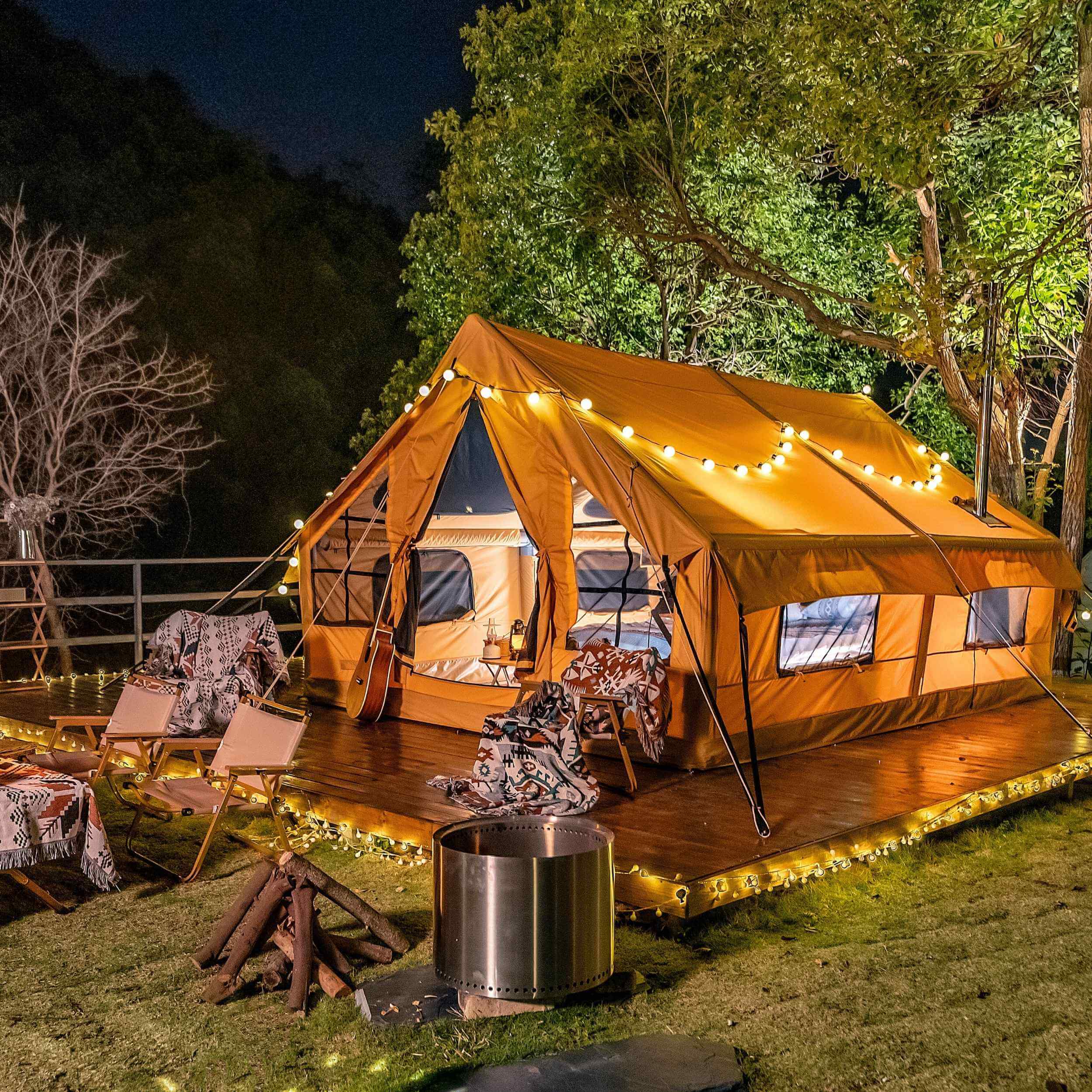
- Coody 17.2 (Koala 7): As the largest tent in our lineup, this model is a true portable mansion. Boasting a massive floor area of 185.14 sq. ft (17.2 m²), it comfortably accommodates a family or a group of up to 10 people. The two-room layout with a removable partition wall offers privacy, while the Terylene Cotton fabric ensures the tent “breathes,” effectively eliminating the dampness often found in a single-layer camping tent. It also features a unique transparent TPU wall, providing an immersive face to the snowy landscape without letting the cold weather in.
- Coody 13.6: This four-season tent provides a refined cabin-style experience with 146.39 sq. ft (13.6 m²) of usable space, ideal for 2–8 people. The inflatable structure is incredibly robust, and the built-in stove jack (3.93″ diameter) is perfectly positioned for a wood stove setup. It is the best winter choice for those who want a canvas feel combined with the latest quick-setup technology.
- RBM Panda Air Large: A hybrid of classic aesthetic and modern engineering. Designed for up to 6 people, this winter tent uses breathable waterproof canvas and features panoramic roof panels to let in natural light. When paired in a bundle with the Caminus M stove, it becomes a warm retreat for weather camping above 32°F (0°C).
|
Feature |
Coody 17.2 (Koala 7) |
Coody 13.6 |
Panda Air Large |
|
Max Capacity |
10 People |
8 People |
6 People |
|
Floor Area |
185.14 sq. ft |
146.39 sq. ft |
~130 sq. ft |
|
Material |
Terylene Cotton |
Terylene Cotton |
Breathable Canvas |
|
Structure |
Inflatable Air-Beams |
Inflatable Air-Beams |
Inflatable Air-Beams |
|
Key Highlight |
Removable TPU Wall |
Compact Luxury |
Panoramic Roof |
|
Stove Jack |
Built-in |
Built-in |
Built-in |
Expedition & Quick-Setup Hot Tents: The UP & Hexagon Series
For professional hunters, fishers, and those embarking on extreme expeditions in Canada, Colorado, or the North, the UP series is the “gold standard” of winter camping. These double-layer tents are built to withstand temperatures as low as -58°F (-50°C) when properly equipped.
- RBM UP-5: Our most powerful expedition tent, designed for groups of up to 6 people. The umbrella-style frame, made of aviation aluminum alloy B95T1, can be set up in under 2 minutes. The double-layer design creates an insulating air gap that traps heat from the stove, making it arguably the warmest tent for winter camping on the market. With a floor area of 141 sq. ft, it provides ample room for cots and gear.
- RBM UP-2: The optimal choice for a small group of 2–4 people. This dome tent features our unique Wing Door, which allows for easy entry and exit without fumbling with frozen zippers. The outer awning is made of Oxford 300D PU 4000mm, offering professional-grade weather protection against heavy snow and ice.
- All-Seasons Hexagon: The most spacious model in the UP series. Its six-sided design provides 135 sq. ft of space and a height of 6.9 ft, allowing everyone to stand at full height anywhere inside the tent. This makes it an ideal basecamp for up to 9 people.
- UP-2 Mini: A specialized small hot tent for solo explorers or couples. It retains all the heavy-duty features of the larger models, including the double-layer insulation and a stove jack for the Caminus S stove, but in a highly portable package for winter backpacking.
Comparison Table: Expedition & Hot Tent Series
|
Model |
Capacity |
Setup Time |
Frame Material |
Temperature Rating |
|
UP-2 Mini |
1–3 People |
2 Min |
Aviation Aluminum |
Extreme Cold |
|
UP-2 |
2–4 People |
2 Min |
Aviation Aluminum |
Extreme Cold |
|
UP-5 |
2–6 People |
2 Min |
Aviation Aluminum |
Expedition Grade |
|
Hexagon |
2–9 People |
3 Min |
Aviation Aluminum |
Basecamp Grade |
The Heart of Winter Camping: The Wood Stove
Why Choose a Stainless Steel Wood Stove?
A wood stove is the one piece of gear you absolutely need to stay warm. Stoves like the Caminus M or S are made from high-grade stainless steel. Unlike cheap alternatives, these are rust-proof and can keep heat for hours, allowing you to cook meals and heat your tent simultaneously. If you enjoy using a smoker on your patio, you will appreciate the smoking wood aroma and the warmth this stove brings to your camp.
Coziness with Heat-Resistant Glass Walls
The Caminus series features heat-resistant ceramic glass side walls. This latest design allows people to watch the fire, turning your winter camping tent into a cozy retreat. Whether you are in Arizona, Tucson, or Texas, the visual glow of the fire creates a sense of safety and home.
Essential Tips for Winter Tent Maintenance
Managing Snow Loads on Your Tent
Effectively managing snow loads is an essential tip for ensuring the longevity and safety of your winter tent, particularly in areas prone to heavy snowfall. Four-season tents, by design, are built with stronger frames and more robust fabrics to withstand the weight of accumulated snow, but active management is still crucial. Regular removal of snow from the tent’s roof is critical to prevent structural damage, especially with dome or tunnel designs that can accumulate significant weight. For larger expedition tents or family camping tents, like the All-Seasons Hexagon, it’s advisable to periodically push snow off the top from the inside using a broom or a soft tool. This practice prevents the frame from buckling under extreme pressure, preserving the tent’s integrity and keeping your shelter safe and warm throughout your winter camping trip. Proper snow load management is a key aspect of responsible winter gear maintenance.
Preventing Condensation: The Importance of Ventilation
Preventing condensation is paramount for maintaining a dry and comfortable interior in any winter tent, and proper ventilation plays an essential role. While materials like breathable Terylene Cotton (a blend of 65% polyester and 35% cotton), used in inflatable models such as the Coody series and Panda Air Large, significantly help to reduce condensation, active ventilation is still needed. Cold weather tent designs often incorporate multiple vents and specialized climate ports, as seen in the Coody 17.2, which allow for connecting external air conditioning or heating units. Even in extreme cold, it’s advisable to keep a small vent open to allow moist air from breathing and cooking to escape. This exchange of air is critical for preventing the buildup of ice on interior surfaces, which can dampen sleeping bags and gear, ultimately compromising the tent’s ability to keep you warm. Effective ventilation ensures a healthier, more pleasant environment inside your 4-season tent.
Choosing the Right Floor Insulation
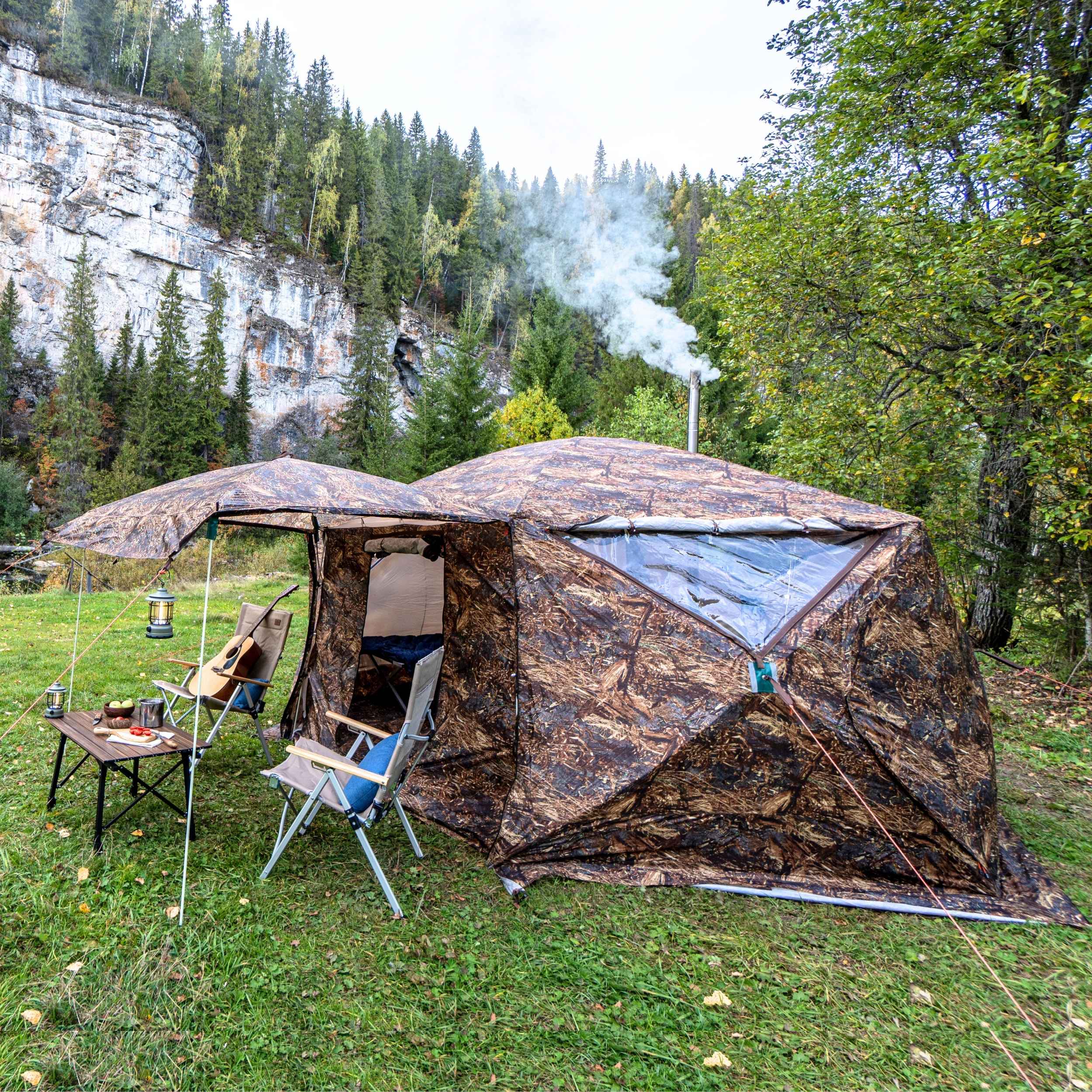
Choosing the right floor insulation is an essential tip for maximizing warmth and comfort in your winter tent, as a significant amount of heat can be lost through the ground. For extreme cold weather camping, particularly when ice fishing or in sub-zero temperatures, a robust insulated floor is needed to prevent heat loss. For example, the UP-2 is frequently bundled with a specialized three-layer insulated floor. This heavy-duty floor design consists of two layers of durable Oxford fabric with a highly effective heat-insulating material sandwiched between them. This multi-layered construction creates a thermal barrier, effectively stopping the transfer of cold from the frozen ground into your hot tent. Without proper floor insulation, even the best winter tent with a powerful wood stove will struggle to keep you truly warm, making this often-overlooked component a critical gear choice for any serious winter outdoor activity. This ensures your feet and gear stay warm and dry, enhancing the overall camping experience.
|
Feature |
Coody 17.2 |
RBM UP-5 |
UP-2 Mini |
|
Best for |
Large Family |
Expedition |
Solo/Pair |
|
Material |
Terylene Cotton |
Oxford 300D |
Oxford 300D |
|
Stove Jack |
Yes |
Yes |
Yes |
|
Setup |
Inflatable |
Umbrella |
Umbrella |
FAQ for Winter Tent Buyers
Is a canvas tent better than nylon?
A canvas or Terylene Cotton tent provides the best ventilation and durability, making it superior for long-term winter camping.
Don’t wait for the next cold snap. Visit hot-tent.com to find your best winter tent and start planning your next expedition today!
What makes a true four-season tent suitable for cold weather?
A true four-season tent or 4-season tent is designed to be winterized and proof against heavy snow, high winds and subzero temperatures; look for strong poles, low-profile shape, full-coverage rainfly and reinforced seams. Manufacturers that build military- or duty-grade tents often use heavier fabrics and stronger frames, but civilian four season tents can still provide winter proof performance for hunting, backcountry or family winter camping. When comparing models, check review lists for wind and snow load testing, and consider whether you need a single or double-wall tent–double-wall tents shed condensation better while single-wall models are lighter.
How do I choose the best winter camping tent for my family or 4 people?
Start with a checklist: number of people (a “4 people” or “4” rating), season tent rating (true 4 season tents vs three-season), weight, packed size, and price. For families or large groups, large or double vestibule models and double-door designs help with gear storage and changing inside. Read manufacturer reviews for durability and note whether the tent also includes features like a sewn-in bathtub floor, snow skirts, or special guyline points. Consider winter-specific features such as a pop-up-able inner tent for quick setup or the option to add a vestibule for wet gear and even a small stove jack for extended cold weather duty.
What essential gear and ideas should I pack for winter tent trips?
Your winter checklist should include an insulated sleeping pad (or two pads layered), a winter-rated sleeping bag, a stove or cooking system safe for tent use if you plan long stays, extra guyline and snow stakes, and a repair kit from the tent manufacturer. Bring a shower bag or portable wash setup if you’ll be on extended trips, and include spare clothing, hand warmers, and a medical kit. For hunting or military-style trips, add camo covers and scent-control items; for family trips, pack extra blankets and a small pop-up shelter for rainy breaks. Always check the tent’s snow-shedding capability and proof seams before departure.
Are expensive four season tents worth the investment for serious winter use?
Price varies widely: heavy-duty expedition or military tents cost more because of materials and duty-rated construction, while consumer 4 season tents offer a balance of weight and durability. If you plan frequent winter trips or extreme conditions, investing in a higher-priced model from a reputable manufacturer can save weight in the long run and improve safety. Look for seasonal sales to get discounts, and read review comparisons to see which tents deliver performance per dollar. For occasional winter campers, a lower-cost winterized tent or a single-wall pop-up model on sale might be a good idea.
Should I pick a single-wall or double-wall cold weather tent for winter?
Single-wall tents are lighter and often simpler to pitch, which can be ideal for quick hunting or ski trips where weight matters; however, they can suffer more from condensation in cold weather. Double-wall tents–with an inner tent and a separate rainfly–offer better ventilation control and reduced condensation, making them suited to family or extended winter camping. Consider how many people will sleep inside (single, double, large or 6-person setups), the intended use (backcountry vs basecamp), and read reviews to see how each model handled snow and moisture in real conditions. A practical idea is to test a tent in a local cold-weather outing before committing to a long expedition.
